How to Prepare for a Fasting Blood Test at Home
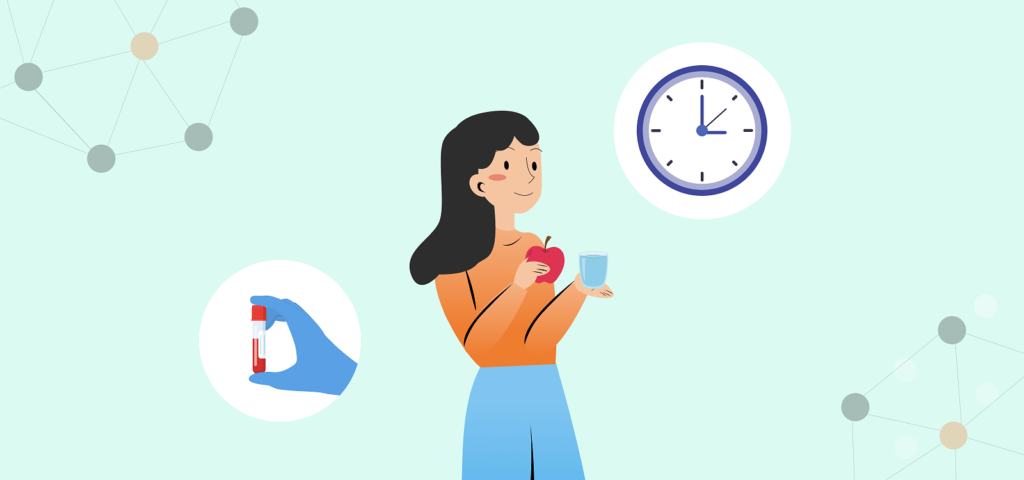
A fasting blood test is one of the most common diagnostic tools used by healthcare professionals to assess various aspects of your health. Whether you’re checking your cholesterol levels, monitoring diabetes risk, or undergoing a comprehensive health screening, proper preparation is essential for obtaining accurate and reliable results.
Many people feel uncertain about what fasting actually means and how they should prepare before their appointment. Questions such as “Can I drink water?”, “Can I take my medication?” and “How many hours should I fast?” are common.
The good news is that preparing for a fasting blood test is straightforward once you understand the requirements.
At BloodSample360, we provide convenient at-home blood testing services across Manchester, making it easier than ever to access professional healthcare without leaving your home. This guide explains everything you need to know before your fasting blood test.
What Is a Fasting Blood Test?
A fasting blood test requires you to avoid consuming food and most beverages for a specific period before your blood sample is collected.
Fasting helps ensure that certain substances in your bloodstream are measured accurately without being affected by recent meals or drinks.
Healthcare providers often request fasting blood tests when evaluating:
- Cholesterol levels
- Blood glucose levels
- Diabetes risk
- Triglycerides
- Metabolic health
- Liver function
- Comprehensive health screenings
By fasting beforehand, the results provide a clearer picture of your body’s baseline state.
Why Is Fasting Important?
Every time you eat or drink, your body processes nutrients and releases various substances into your bloodstream.
For example:
- Blood sugar levels rise after meals.
- Triglycerides can increase after eating fatty foods.
- Certain nutrients and compounds temporarily change blood chemistry.
These temporary fluctuations can affect test accuracy and may lead to misleading results.
Fasting helps eliminate these variables, allowing healthcare professionals to make more informed decisions based on your true health status.
How Long Should You Fast?
The required fasting period depends on the specific test being performed.
In most cases, healthcare providers recommend fasting for:
8 to 12 Hours
This is the standard fasting window for many blood tests, including:
- Cholesterol tests
- Lipid profiles
- Fasting glucose tests
- Diabetes screenings
Your healthcare provider or testing service will tell you exactly how long you need to fast before your appointment.
It is important not to fast for longer than instructed unless advised by a healthcare professional.
Can You Drink Water During a Fast?
Yes.
Water is generally allowed and encouraged during a fasting period.
Staying hydrated offers several benefits:
- Helps maintain normal blood circulation
- Makes blood collection easier
- Reduces the likelihood of dizziness
- Supports overall comfort
Plain water is typically the only beverage permitted during fasting.
Avoid:
- Tea
- Coffee
- Juice
- Soft drinks
- Energy drinks
- Milk
- Flavoured water
These drinks may affect test results and interfere with fasting requirements.
What Foods Should You Avoid?
During the fasting period, all food should be avoided unless specifically instructed otherwise.
This includes:
- Breakfast
- Snacks
- Sweets
- Gum
- Mints
- Protein shakes
- Smoothies
Even small amounts of food can influence blood sugar and lipid measurements.
The safest approach is to consume nothing except water during the fasting window.
What About Coffee and Tea?
Many people are surprised to learn that black coffee and tea are generally not recommended before a fasting blood test.
Although they contain few calories, they may still affect:
- Blood sugar levels
- Hormonal responses
- Metabolic processes
To ensure the most accurate results, it is best to avoid all caffeinated beverages until after your blood sample has been collected.
Should You Take Your Medication?
Medication guidance varies depending on the type of medication and the purpose of your blood test.
In many cases:
- Prescription medications should be taken as normal.
- Some medications may require temporary adjustment.
- Certain supplements may need to be postponed.
Never stop prescribed medication without medical advice.
If you are unsure, consult your healthcare provider before your appointment.
Should You Exercise Before the Test?
Intense exercise can temporarily affect various blood markers.
For example:
- Blood sugar levels
- Hormone levels
- Muscle enzymes
- Metabolic markers
For the most accurate results, avoid strenuous exercise during the fasting period.
Light everyday activities are generally acceptable.
Tips for a Successful Fasting Blood Test
Schedule a Morning Appointment
Morning appointments are often easiest because much of the fasting period occurs while you are asleep.
For example:
- Finish dinner at 8:00 PM
- Fast overnight
- Have your blood sample collected at 8:00 AM
Stay Hydrated
Drink plenty of water throughout the fasting period unless advised otherwise.
Get a Good Night’s Sleep
Sleep can influence certain biological markers and overall wellbeing.
Aim for a full night’s rest before your appointment.
Follow Instructions Carefully
Always follow the specific guidance provided by your healthcare provider or testing service.
Prepare a Meal Afterwards
Many people feel hungry after fasting.
Having a healthy meal ready can help you return to normal eating comfortably after your test.
Benefits of At-Home Fasting Blood Tests
At-home testing has become increasingly popular because it offers convenience and flexibility.
Greater Convenience
No travel or waiting rooms.
Reduced Stress
Many people feel more comfortable in familiar surroundings.
Flexible Scheduling
Appointments can be arranged around work and family commitments.
Professional Service
Qualified healthcare professionals collect your blood sample safely and efficiently.
Improved Accessibility
Ideal for busy professionals, parents, and individuals with mobility challenges.
Common Mistakes to Avoid
To ensure accurate results, avoid these common errors:
Eating Before the Test
Even a small snack can affect blood chemistry.
Drinking Sugary Beverages
Juices and soft drinks can significantly alter glucose readings.
Chewing Gum
Some gums contain sugar or sweeteners that may interfere with fasting.
Forgetting Instructions
Always confirm fasting requirements beforehand.
Skipping Water
Dehydration can make blood collection more difficult.
Frequently Asked Questions
Can I Brush My Teeth Before a Fasting Blood Test?
Yes. Brushing your teeth is generally acceptable. Just avoid swallowing toothpaste.
Can I Drink Water?
Yes. Plain water is encouraged unless instructed otherwise.
Can I Take Vitamins?
Many healthcare providers recommend waiting until after the test. Check with your provider for specific guidance.
What Happens If I Accidentally Eat?
Inform the healthcare professional before your sample is taken. Your appointment may need to be rescheduled.
Is Fasting Always Required?
No. Many blood tests do not require fasting. Your healthcare provider will advise if fasting is necessary.
Final Thoughts
Proper preparation is one of the simplest ways to ensure accurate blood test results. Following fasting instructions carefully can help provide a clearer picture of your health and reduce the risk of inaccurate readings.
If you’re booking a fasting blood test, planning ahead, staying hydrated, and following professional guidance will help make the process smooth and successful.
BloodSample360 provides convenient at-home blood testing services across Manchester, helping you access professional healthcare without disrupting your daily routine. Whether you’re monitoring cholesterol, screening for diabetes, or completing a comprehensive health check, our experienced team is here to support your health journey.