Why Fasting Matters Before Blood Tests and How to Prepare Correctly
Blood tests play a critical role in diagnosing medical conditions, monitoring ongoing treatment, and assessing overall health. However, the accuracy of many blood test results depends heavily on proper preparation — and fasting is one of the most common requirements.
Patients are often told to fast before a blood test without fully understanding what fasting means, why it is necessary, or how to do it correctly. This lack of clarity can lead to incorrect results, repeat testing, and unnecessary stress.
This article explains why fasting matters before certain blood tests, which tests require fasting, how long you should fast, and what mistakes to avoid to ensure reliable results.
What Does Fasting Before a Blood Test Mean?
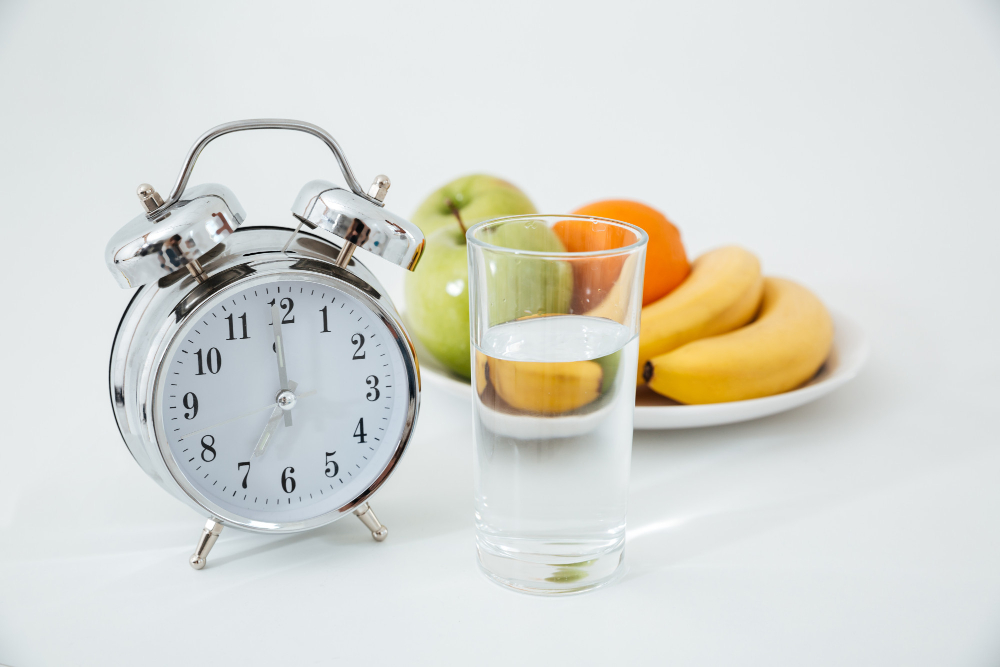
Fasting before a blood test means not consuming any food or drinks other than plain water for a specific period before the blood sample is collected. The fasting period usually ranges from 8 to 12 hours, depending on the test.
During digestion, nutrients such as glucose, fats, and proteins enter the bloodstream. These substances can temporarily alter blood chemistry, which may interfere with test measurements. Fasting allows your blood levels to return to a stable baseline so results reflect your body’s natural state.
Why Fasting Is Important for Accurate Results
Certain blood tests measure substances that fluctuate significantly after eating. Without fasting, results may appear abnormally high or low, leading to misinterpretation.
Fasting helps to:
-
Prevent temporary spikes in blood sugar and cholesterol
-
Reduce variability caused by recent meals
-
Improve consistency across repeat tests
-
Help doctors make accurate diagnoses and treatment decisions
Failing to fast when required can result in false readings and may require the test to be repeated.
Blood Tests That Commonly Require Fasting
Not all blood tests require fasting. However, fasting is usually required for the following:
Blood Glucose Tests
Used to diagnose and monitor diabetes or prediabetes. Eating before the test can raise blood sugar levels and distort results.
Lipid Profile (Cholesterol Test)
Measures total cholesterol, LDL, HDL, and triglycerides. Triglyceride levels, in particular, are highly affected by recent food intake.
Metabolic Panels
Basic or comprehensive metabolic panels may require fasting to assess kidney function, electrolyte balance, and blood sugar accurately.
Fasting Insulin Tests
Used to evaluate insulin resistance and metabolic health.
Always follow your healthcare provider’s instructions, as requirements may vary.
How Long Should You Fast Before a Blood Test?
The standard fasting duration is 8 to 12 hours. During this time:
-
You should not eat any food
-
You should avoid all drinks except plain water
Water is encouraged because it helps maintain hydration and makes veins easier to access during blood collection.
Scheduling your test early in the morning is often recommended, as it allows you to fast overnight and resume eating shortly after.
What You Can and Cannot Do While Fasting
Allowed During Fasting
-
Drinking plain water
-
Taking prescribed medications (unless instructed otherwise)
-
Normal light activities such as walking
Avoid During Fasting
-
Food of any kind
-
Tea, coffee, juice, milk, or soft drinks
-
Alcohol
-
Chewing gum or sweets
-
Smoking
-
Intense physical activity
Even small amounts of calories can affect test results.
Common Fasting Mistakes Patients Make
Many inaccurate results are caused by misunderstandings about fasting. Common mistakes include:
-
Drinking coffee or tea because it seems “harmless”
-
Chewing gum during the fasting period
-
Taking supplements without medical approval
-
Exercising heavily before the test
-
Fasting for longer than instructed
When unsure, it is always better to ask before the test rather than risk invalid results.
What About Medications?
Some medications can influence blood test results, but stopping prescribed drugs without guidance can be dangerous. Always inform your healthcare provider about any medications or supplements you are taking. They will advise whether adjustments are necessary.
Why Proper Fasting Saves Time and Money
Correct preparation reduces:
-
The likelihood of repeat testing
-
Delays in diagnosis
-
Confusion caused by borderline or abnormal results
-
Additional healthcare costs
Accurate results allow healthcare professionals to make confident decisions the first time.
Conclusion
Fasting before a blood test is a simple but essential step in obtaining accurate results. Understanding what fasting involves, which tests require it, and how to prepare properly helps ensure your test results truly reflect your health status.
If you are ever unsure whether fasting is required, confirm before your appointment to avoid unnecessary repeat testing.