Top Laboratory and Blood Testing Trends Shaping 2026
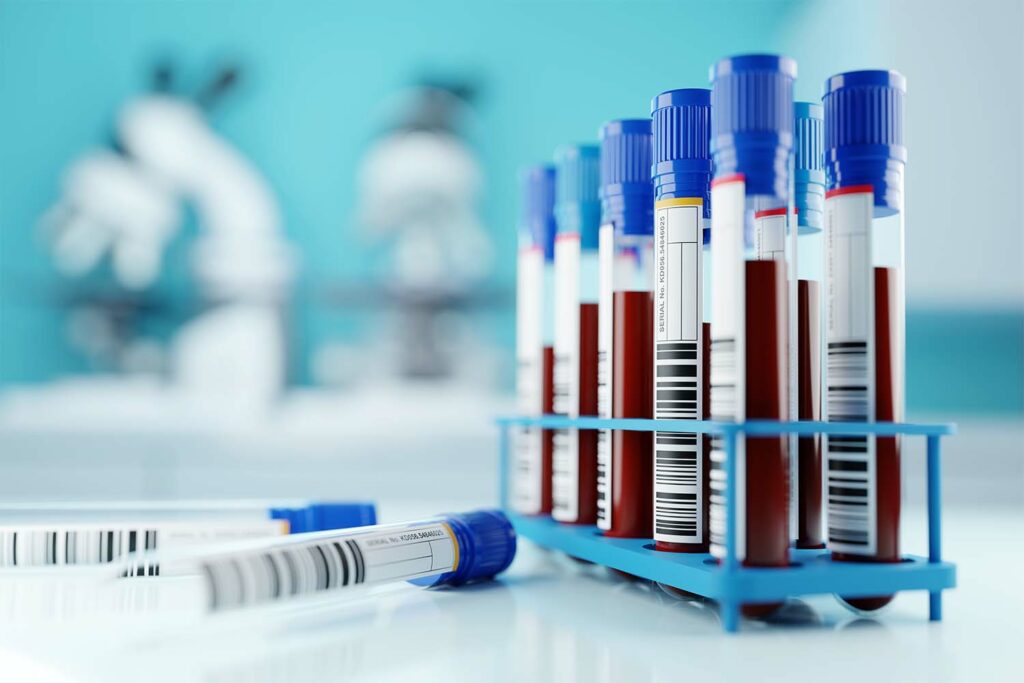
The world of lab diagnostics and blood testing is evolving faster than ever. From automation and artificial intelligence to wearables and point-of-care devices, healthcare diagnostics are entering a new era of speed, precision, and accessibility. For patients seeking efficient, accurate blood testing, understanding these trends can empower smarter health decisions and improve outcomes.
Trend #1: Automation and AI in Laboratory Processes
Automation and artificial intelligence are dominating the lab trends forecasted for 2025 and beyond. Laboratories are adopting AI-driven systems and robotics to handle increased workloads, reduce human error, and streamline operations. This impacts everything from sample sorting to data analysis, ultimately improving the speed and reliability of test results.
For patients, this means faster turnaround times and a higher standard of data integrity — especially when combined with expert mobile blood collection services that ensure quality samples are delivered to advanced lab systems.
Trend #2: Rise of Point-of-Care Testing
Point-of-care testing allows rapid diagnostics at the location of patient care — including primary care offices, pharmacies, and community settings. Technological advancements are enabling tests that can determine nutritional status or detect markers from a tiny drop of blood in minutes. Wikipedia
This trend benefits patients by bringing immediate insights into their health, which is particularly valuable in remote or underserved regions where full lab access may be limited.
Trend #3: Direct-to-Consumer Testing Growth
Consumers increasingly want control over their health data. Direct-to-consumer blood testing — where individuals can order specialised panels without a physician referral — has become a major trend. This shift reflects demand for personalised health insights and proactive wellness strategies. Wikipedia
This trend pairs well with mobile blood collection services, since patients can order tests online and have trained phlebotomists collect the sample from home for analysis.
Trend #4: Enhanced Data Analytics and Cybersecurity
With labs generating vast volumes of diagnostic data, powerful analytics tools are transforming raw results into actionable insights. Advanced software visualises complex data for clinicians and patients, enabling more targeted treatment plans. At the same time, robust cybersecurity measures are being prioritised to secure sensitive health information.
Trend #5: Wearable Health Tech Integration
Wearable devices are increasingly integrating blood-related metrics such as heart rate, blood oxygen saturation, and glucose tracking. While these aren’t substitutes for lab testing, they act as early indicators prompting timely diagnostics.
Trend #6: Liquid Biopsy and Precision Diagnostics
Liquid biopsies — analysing circulating tumor DNA and other molecular markers in blood — are gaining traction as non-invasive tools for early cancer detection and treatment monitoring. Though still expanding, this innovation promises a future where complex disease monitoring becomes more accessible and less invasive.
What This Means for You
These trends collectively signal a future where blood testing is:
- Faster — thanks to automation
- More personal — through direct access testing
- More informative — with advanced analytics
- More convenient — with point-of-care and home-based services
Why Mobile Phlebotomy Still Matters
Even in a digitised diagnostic world, the quality of the blood sample remains critical. Services like BloodSample360 play a vital role by offering professional blood draws at home — ensuring samples are collected correctly and delivered promptly to cutting-edge laboratories.
Conclusion
Blood testing trends in 2026 reflect a hybrid healthcare future — one that blends technology, accessibility, and personalised care. Whether you’re using rapid point-of-care diagnostics, ordering direct-to-consumer tests, or opting for home blood draws, staying informed helps you make better health decisions.
With innovations reshaping diagnostics, patients should embrace both technological advances and trusted clinical practices for a healthier tomorrow.