How to Prepare for a Blood Test at Home: A Simple Step-by-Step Guide
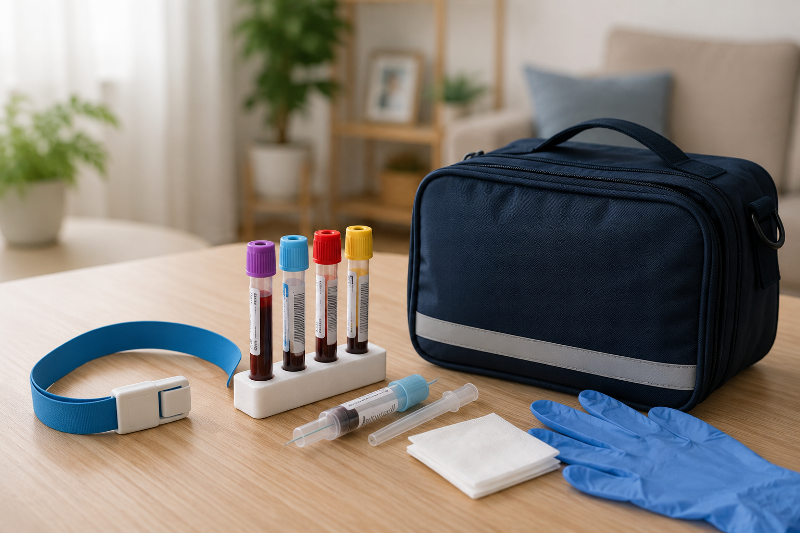
Having a blood test at home can make the process more comfortable and convenient. Instead of travelling to a clinic, waiting for an appointment, or rearranging your day, a trained phlebotomist visits you at your home, workplace, or another suitable location.
Although the blood collection itself is usually quick, preparing correctly can help the appointment run smoothly and may reduce the likelihood of delays or repeat samples.
This guide explains how to prepare for a home blood test and what you can expect during your appointment.
1. Check Whether You Need to Fast
Not every blood test requires fasting. Many tests allow you to eat and drink normally before your appointment.
However, some tests may require you to avoid food for a specified period. Your doctor, healthcare provider, laboratory, or test-kit provider should tell you whether fasting is necessary.
When fasting is required, you may usually drink plain water, but you should follow the instructions provided for your specific test. Avoid assuming that every blood test has the same preparation requirements.
Do not stop taking prescribed medication unless a doctor or qualified healthcare professional has advised you to do so.
2. Drink Water Before Your Appointment
Unless you have been advised to restrict fluids, staying hydrated before a blood test can be helpful.
Drinking water supports normal circulation and may make veins easier to locate. Try to drink water regularly before your appointment rather than drinking a large amount immediately before the phlebotomist arrives.
Avoid replacing water with alcohol or excessive amounts of caffeinated drinks.
Where fasting instructions apply, check exactly which drinks are permitted. Plain water is commonly allowed, while tea, coffee, fizzy drinks, and sweetened drinks may not be suitable.
3. Have Your Blood Test Documents Ready
Before your mobile phlebotomy appointment, prepare any documents or testing materials that may be required.
These may include:
- A blood test request form
- A referral letter
- Your private blood testing kit
- Laboratory paperwork
- Sample labels supplied with your test kit
- Identification, where required
Having everything ready helps prevent delays and allows the phlebotomist to confirm the required samples and collection instructions.
When using a private blood test kit, check that the kit has arrived and that all required collection tubes and laboratory documents are included before booking your appointment.
4. Check the Instructions in Your Private Test Kit
Private blood testing companies may use different laboratories and collection procedures.
Your test kit may include instructions relating to:
- The number and type of blood collection tubes required
- The preferred day or time for sample collection
- Fasting requirements
- Sample packaging
- Laboratory delivery deadlines
- Whether the sample requires special preparation
Read these instructions before your appointment and keep them available for the visiting phlebotomist.
Some samples may need to reach the laboratory within a particular timeframe. It may therefore be helpful to avoid booking certain collections immediately before weekends or public holidays unless your laboratory has confirmed that it can receive the sample.
5. Wear Comfortable Clothing
Wear clothing that allows easy access to your upper arm.
Loose sleeves are usually more practical than tight or restrictive clothing. You should be able to raise your sleeve comfortably without it becoming too tight around the upper arm.
The inside of the elbow is commonly used for blood collection because veins are often easier to access in this area.
6. Choose a Suitable Space for the Appointment
Prepare a clean, well-lit area where you can sit comfortably.
A chair beside a table is often suitable. The phlebotomist will need enough room to organise the required equipment and perform the collection safely.
You may also wish to choose a quiet area if you feel nervous about blood tests.
BloodSample360 appointments can be arranged at your home, workplace, or another convenient location, subject to availability and service coverage.
7. Tell the Phlebotomist If You Are Nervous
Feeling worried about needles is common, and there is no need to feel embarrassed.
Tell the phlebotomist before the procedure if you:
- Feel anxious around needles
- Have previously fainted during a blood test
- Become dizzy when seeing blood
- Have experienced difficulty during previous blood collections
- Prefer not to see the needle
This information allows the phlebotomist to make the experience as comfortable as possible.
You may find it helpful to look away, take slow breaths, listen to music, or speak with the phlebotomist during the procedure.
If you have a history of fainting, explain this before the blood collection begins so appropriate arrangements can be made.
8. What Happens During a Home Blood Test?
At the appointment, the phlebotomist will review the available request form or test-kit instructions and prepare the required collection equipment.
A band may be placed around your upper arm to make the vein easier to locate. The collection area will be cleaned before a small needle is inserted into a suitable vein.
Blood is then collected into the required sample tubes.
Most routine blood collections are completed within a few minutes, although appointment length may vary depending on the number of samples required and individual circumstances.
After the needle is removed, pressure will be applied to the area and a small plaster or dressing may be used.
9. What Should You Do After the Blood Test?
After your blood sample has been collected:
- Keep pressure on the area for the recommended time
- Leave the dressing in place as advised
- Avoid repeatedly touching the collection site
- Drink water if you feel slightly light-headed
- Sit down until you feel comfortable before standing
Minor tenderness or bruising can sometimes occur around the collection area and usually improves naturally.
Contact an appropriate healthcare professional if you experience symptoms that are severe, persistent, or concerning.
10. Who Receives Your Blood Test Results?
The phlebotomist collects the blood sample but may not be responsible for analysing the test or interpreting the results.
Samples are normally delivered or returned to the relevant laboratory according to the arrangement made with your healthcare provider or private testing company.
Your results may be sent to:
- Your GP
- Your consultant
- Your private healthcare provider
- The company that supplied your test kit
- Your secure online testing account
The time required to receive results depends on the type of test and the laboratory carrying out the analysis.
Contact the organisation responsible for your test if you have questions about results, diagnosis, treatment, or medical interpretation.
Book a Mobile Blood Test with BloodSample360
BloodSample360 provides professional mobile blood sample collection services, allowing you to have your blood taken at home, at work, or at another convenient location.
Our mobile phlebotomy service supports clients across Cheshire and Greater Manchester, including Manchester, Chester, Crewe, Salford, Stockport, and surrounding areas.
Before booking, have your blood test request form or private testing kit available and check whether your test has any special preparation requirements.
Book your mobile blood collection appointment and enjoy a more convenient way to complete your blood test.